SERVICES
ABA Skills Assessment
Empowering Individuals. Supporting Teams. Building Stronger Futures.
Now serving clients with in-person and telehealth services!
ABA Skills Assessment at Positive Reinforcement
The
Applied Behavior Analysis (ABA) Skills Assessment helps identify the best types of support for children with autism. It looks at important areas like social skills, language, motor skills, independent play, early academics, and classroom readiness. This tool doesn’t diagnose autism—it helps build a treatment plan based on a child’s strengths and sets clear goals for progress.
It’s often the first step in getting services started. The results help answer questions like:
- What kind of therapy will be most helpful?
- How many ABA hours does the child and family need?
When used as an independent evaluation, the assessment also checks if a child is making progress in their current school program. If not, the results can help the team decide what changes might help—like staff support or teaching strategies.
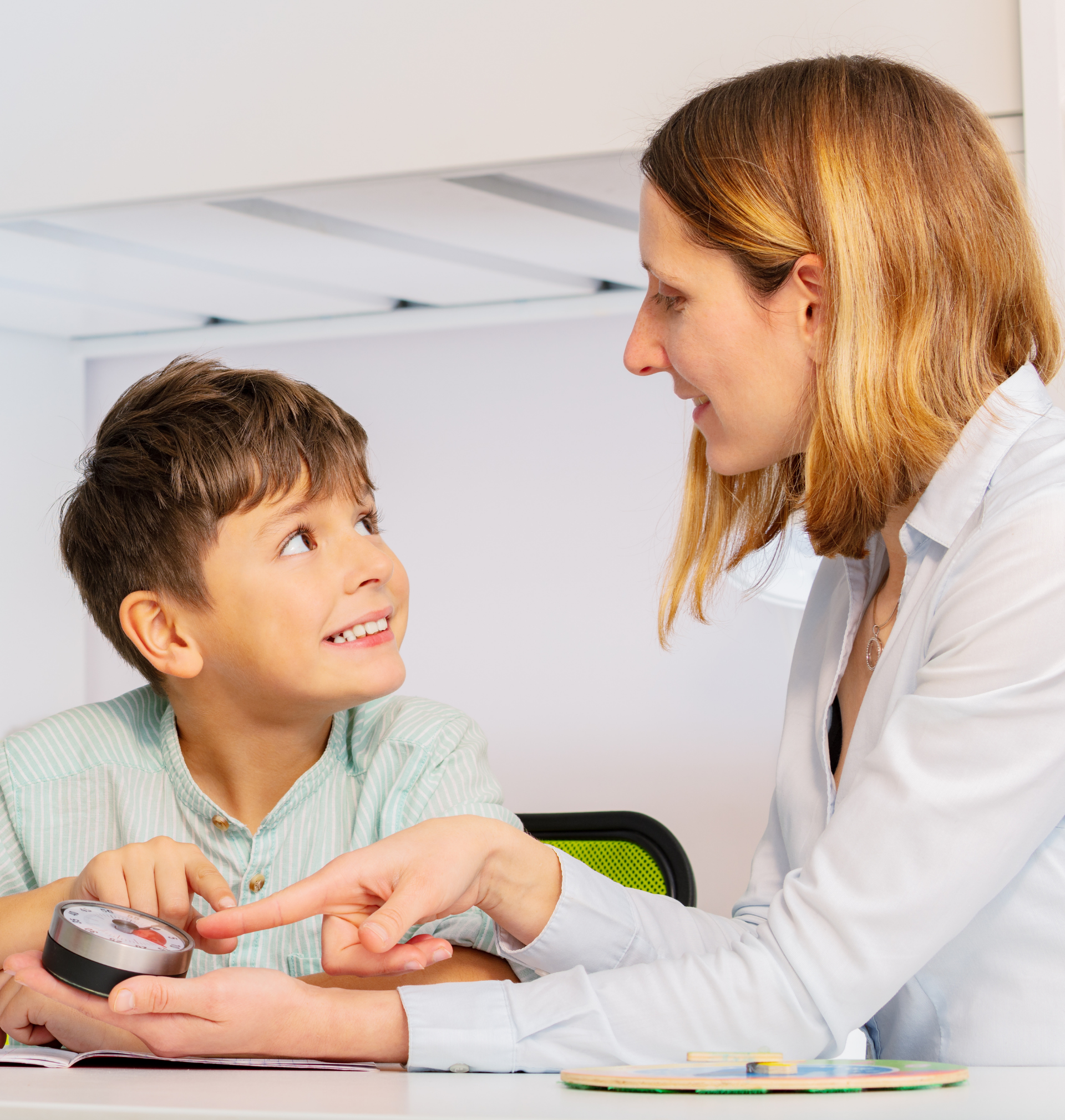
What's Included in an ABA Skills Assessment?
The skills assessment process is designed to give a complete picture of your child’s abilities and needs. It can take up to 20 hours and may include:
Interviews
We talk with parents and caregivers to understand your child’s history, strengths, and goals.
Observations
We observe your child in natural settings to see how they learn, communicate, and interact.
In some cases, an ABA Skills Assessment may be paired with a
Neuropsychological Assessment to provide an even clearer understanding of your child’s learning profile and developmental needs.
*Note: A Skills Assessment is different from a Functional Behavior Assessment (FBA), which focuses on identifying the causes of specific behaviors. Read more about FBAs here.