Your Child With Autism's Dream Bed
Finding a Dream Bed For a Autistic Child
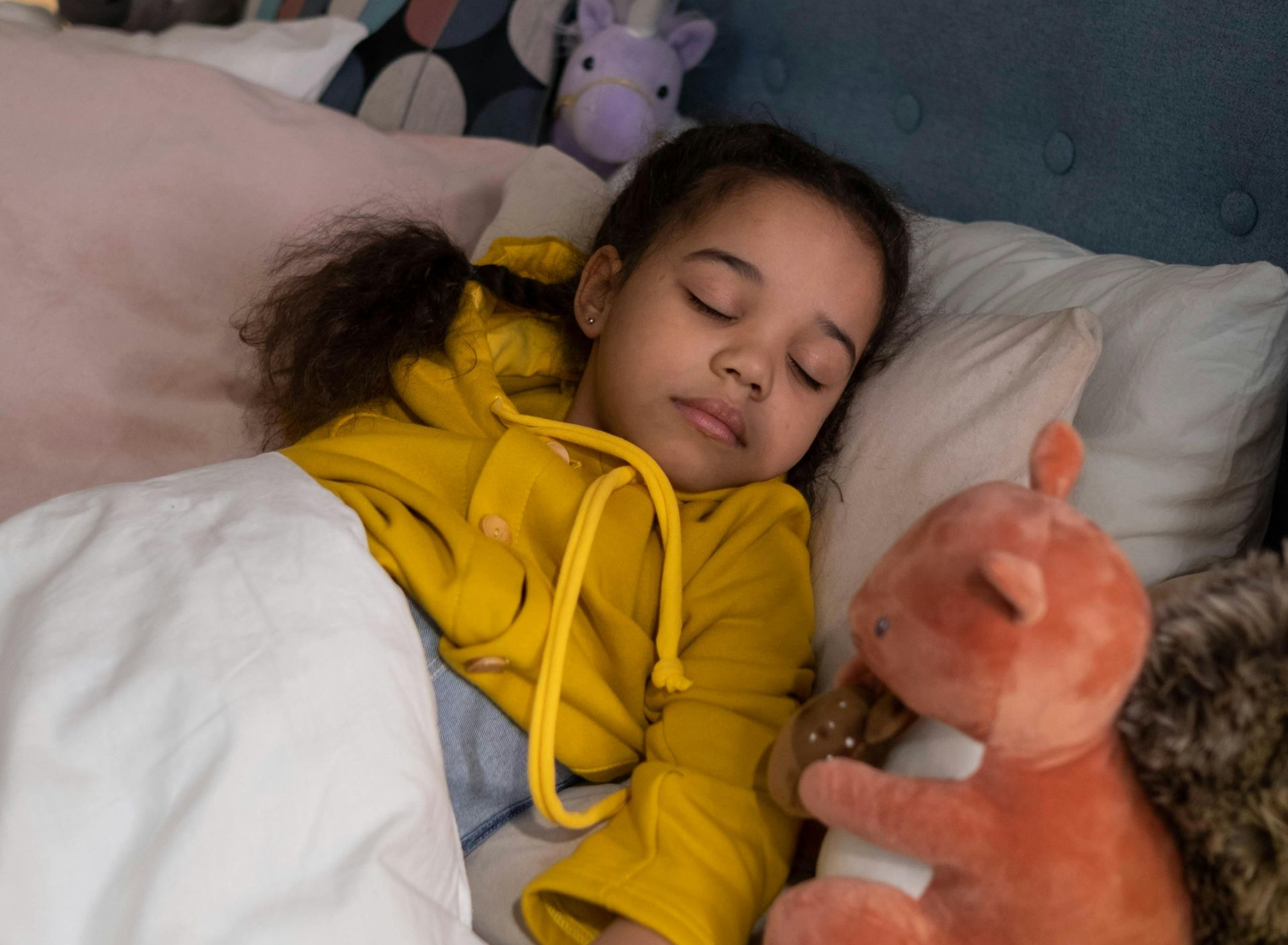
If you know and love a child with autism, you are likely no stranger to the sleep challenges that many face. These may include sensory issues like sensitivity to light, sound, or touch. Bedtime difficulties could stem from separation anxiety or stress brought on by change. Complicating matters further still, the bodies of children with autism may have trouble regulating sleep and wake cycles or have still more motor or behavioral challenges.
Once you understand the specific issues leading to your child’s sleep challenges, you can support your child with a bed that is tailored to their physical, emotional, and sensory needs.
Safety First
The number one thing to consider when choosing a bed is whether or not your child will be safe in it. All bed frames for children should be sturdy and tip-resistant. Any openings such as drawers should have a locking mechanism. Metal bars or wooden corners should be padded. If your child is prone to wandering at night, then their safety calls for an enclosure bed with escape-proof design.
Enclosures
Enclosed or semi-enclosed beds offer children a sense of boundary and security. These have the added benefit of limiting stimuli. Tent beds or canopy beds give children a calm and comforting space, like a little cocoon. A more specialized bed such as a safety enclosure bed may be in order if your child is a night wanderer or at risk of injuring themselves in the night.
Comfy, Cozy, and Sensory Friendly
If you are creating the perfect bed for your child with autism from the ground up, the next step after the frame is the mattress. The best mattress, as with everything else, will depend on your child’s needs and preferences. Some children prefer a memory foam topper that will distribute pressure evenly and somewhat reduce motion. Others find a firmer mattress to be more comfortable and grounding. If your child requires a mattress protector, look for products that are fully waterproof but also quiet, as no one wants their bed to be noisy and crunchy.
As for the fabrics your child will lay on and cover up with, look for hypoallergenic materials. Avoid anything that might feel scratchy or hold in too much heat. If your child could benefit from deep pressure, top everything with a weighted blanket and comfort items.
Frequently Asked Questions
When is a special bed necessary for my child with autism?
For your child’s well being, a safety enclosure bed may be called for if your child gets up in the night to wander or if they exhibit any behaviors that could lead to injury. A child with comorbidities such as seizure disorders or other severe medical needs may require a specialized bed.
What other strategies can help my child have their best night’s sleep?
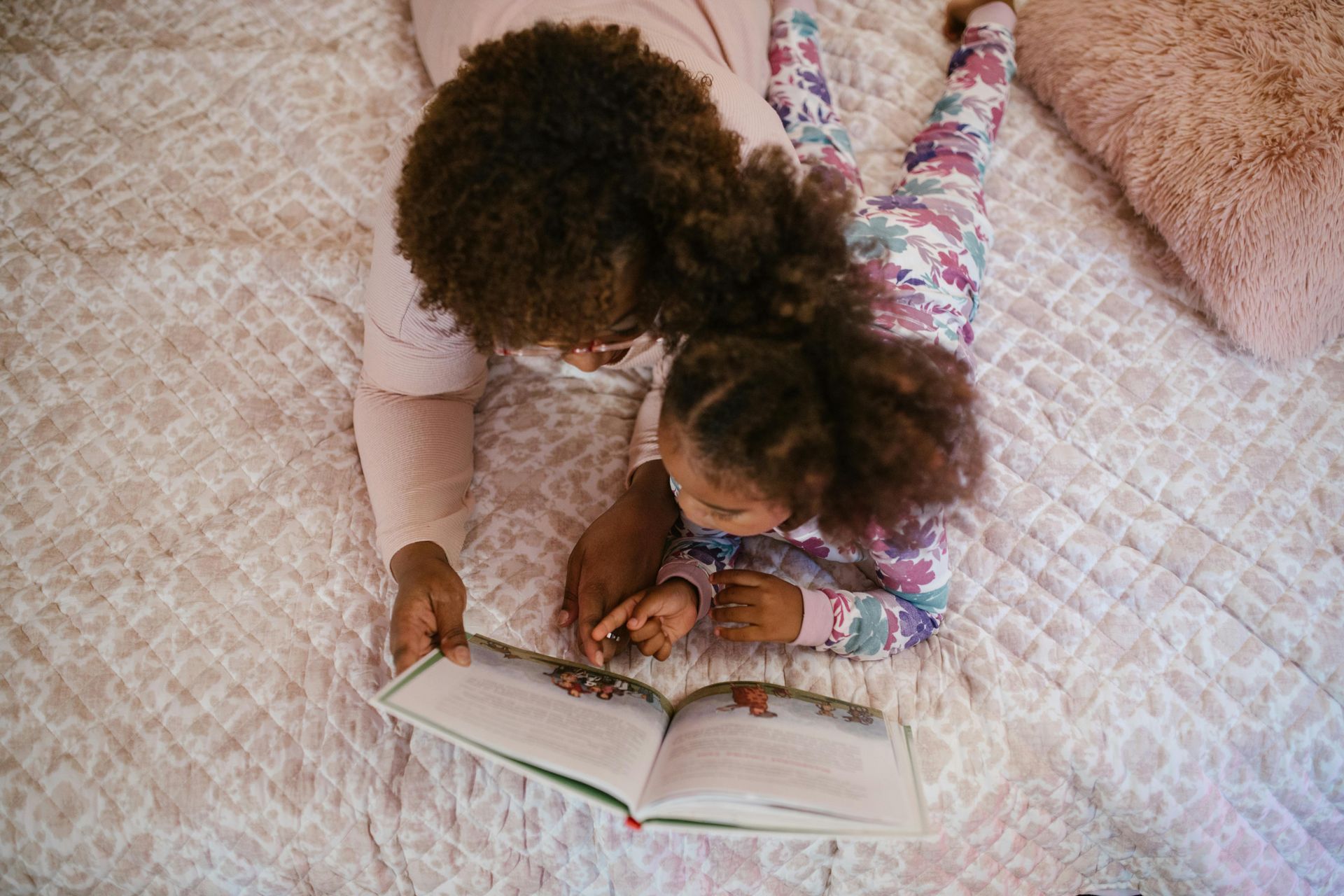
Maintain a consistent bedtime routine including wind down time. Use calming activities like stories, songs, or stretches. The goal is to make bedtime as predictable and secure as possible. When time comes for lights out, use blackout curtains and a white noise machine to block out as much external stimuli as possible.
Establishing healthy sleep habits often requires consistent support in the environment where it matters most: your home. Positive Reinforcement provides in-home ABA therapy throughout Northern Virginia and Richmond, serving families in Ashburn, Purcellville, Leesburg, Sterling, Winchester, Woodbridge, and neighboring communities.
Positive Reinforcement